Main Line Backups
When the main clogs, waste comes up the lowest fixture, usually a basement floor drain or shower. Standing waste is pumped and extracted before any material removal starts.
- Extraction of standing waste
- Cleanout access checked
Sewage coming up through a floor drain or toilet is a health hazard, not just a mess to mop. Call Water Heater Repairer and a live dispatcher will route you to an independent, licensed and insured cleanup contractor who works in full protective gear.
Under IICRC S500 guidance, sewage is Category 3 water, which means it is treated as grossly contaminated from the start. It needs a disciplined sequence and proper protection, otherwise the cleanup spreads the problem rather than ending it.
We route only to licensed, insured independent contractors who wear respirators, disposable suits, nitrile gloves, and boots on every sewage job. Plenty hold IICRC training, and you are welcome to ask for proof on arrival.
Because waste wicks into porous materials quickly, an active backup goes to the front of the queue. Arrival is often quick, depending on location and how many homes a storm surcharge hit at once.
You get a written, flat-rate scope listing every material to be removed before any tear-out begins. That paper also helps when you file with your insurer.
Contractors bring EPA-registered disinfectants, HEPA vacuums, and negative air machines to keep contaminants out of the rest of the house. If you want proof the area is clean, ask about ATP or swab testing at the end.
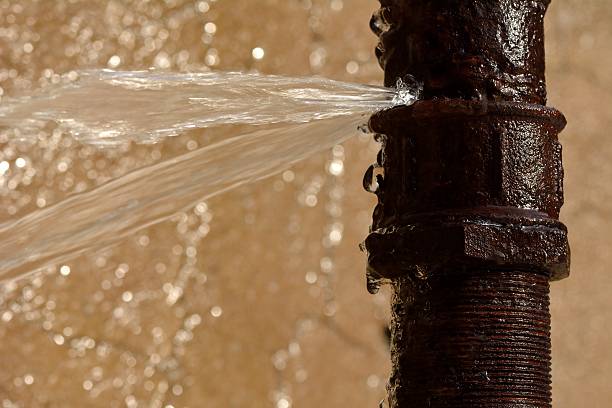
Most backups we hear about start with a clog in the main sewer line, often roots, grease, or a collapsed section of old clay pipe. Others come from the city side, when heavy rain overloads the municipal sewer and it surcharges back into basements. Either way, the cleanup is the same, but the fix to stop it happening again is not.
That is why we can route a plumber for a camera inspection of the line alongside the cleanup crew. Knowing what failed keeps you from paying for the same cleanup twice.
The order never changes on a blackwater job, which is contain, remove, clean, disinfect, and dry.
When the main clogs, waste comes up the lowest fixture, usually a basement floor drain or shower. Standing waste is pumped and extracted before any material removal starts.
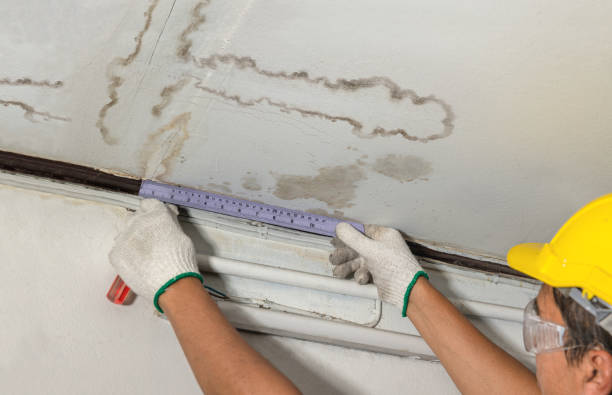
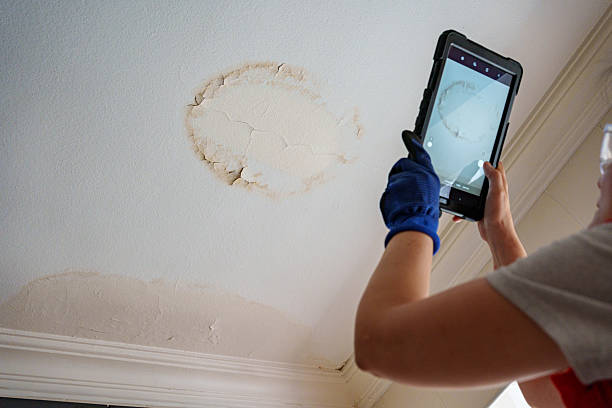
A toilet that kept running over can saturate the subfloor and stain the ceiling underneath. Moisture readings decide whether the underlayment and ceiling drywall can stay or must come out.
Carpet and pad that touched sewage are bagged and removed, with no exceptions. Drywall is flood-cut above the wet line, and soaked insulation inside the cavity is removed with it.
Hard surfaces are HEPA vacuumed, scrubbed, and treated with an EPA-registered disinfectant with proper dwell time. Air scrubbers run throughout to keep particles from drifting upstairs.
A licensed plumber can run a camera through the cleanout to find roots, bellies, or collapsed pipe. If the city line surcharges, a backwater prevention valve can block it from coming into the home.
Once contaminated materials are out and surfaces disinfected, the space still has to dry before rebuild. Contractors set air movers and dehumidifiers, log moisture readings daily, and use air scrubbers to pull lingering odor.
A short process, run by contractors who see sewage calls constantly.
We tell you to stop all water use, keep kids and pets away from the area, and shut off power if water is near outlets. Then we ask where it came up and whether neighbors on a shared line have the same problem.
An independent cleanup contractor near you heads over with PPE, extraction gear, and containment supplies. If the line is still blocked, a plumber can be sent to clear it first.
The contractor maps how far the waste spread, takes moisture readings, and marks the line for flood cuts. A written flat-rate quote with photos comes before anything gets removed.
After removal, cleaning, disinfection, and drying, the contractor walks you through the space and the drying records. Ask about clearance testing and the contractor's own written workmanship warranty.
A bleach wipe-down may look clean, yet the waste trapped in drywall paper and carpet pad keeps breeding bacteria. A household shop vac also blows contaminated mist out its exhaust and into the air you breathe. That lingering smell a week later is usually the sign something porous got left behind.
Stop all water use, keep everyone out of the area, and call.
The floor drain gurgled during a heavy storm and then sewage poured out for an hour. The contractor showed up in full suits and respirators, pulled the carpet and the bottom two feet of drywall, and ran air scrubbers the whole time. They also suggested a backwater valve, which a plumber put in the next week.
I have a toddler and a dog, so the health side scared me more than the damage. They put up plastic containment, disinfected every surface, and did swab tests so I knew it was clean. Having actual results made it easy to let my son back in there.
Our duplex shares a sewer line, and the backup came up in my unit from the neighbor's side. The plumber ran a camera and found roots in the old clay pipe right at the property line. Getting both reports in writing made the conversation with my neighbor much easier.
The smell hit me the second I opened the basement door, and I honestly did not know who to call first. They had me stop using water, got a plumber out to open the line, and routed a cleanup contractor right after. The written scope listed every piece of drywall and trim they pulled, which my adjuster accepted without a fight.
If the spill is limited to one room, staying elsewhere in the home is usually fine once containment goes up. Young children, older adults, pregnant women, and anyone with a weak immune system should stay away until cleanup is done.
No. Carpet and pad that touched Category 3 water are considered unsalvageable under industry guidance. Nonporous surfaces such as tile and concrete can typically be cleaned, disinfected, and kept.
Usually it is a clog in your main line from roots, grease, or broken pipe. During storms, an overloaded city sewer can push back into homes, and a camera inspection tells you which one it was.
A backwater valve lets waste leave the house but closes when sewage tries to flow back in from the street. It will not fix a clog on your own line, so a camera inspection still matters.
Many standard policies exclude sewer backup unless you added a specific water backup endorsement. Call your agent, take photos before cleanup, and keep the contractor's written scope and drying logs.
You can request ATP testing or lab swabs to confirm that disinfection worked. You should also get moisture readings showing framing and subfloor are dry before anything is rebuilt.
Calls go to licensed independent contractors covering all of Sibley and the towns around it. Coverage reaches zip codes like 51249.
Older parts of Sibley often still have clay or cast iron laterals, which is where root intrusion and cracked pipe cause repeat backups. Homes on lower ground get hit harder when storm water overloads the city system. Mention the age of the house and any past backups so the right contractor gets the call.

Basement drain overflows and finished lower-level cleanups.
Backups on shared lines in apartments, condos, and duplexes.
The same network reaches the suburbs around Sibley.
